
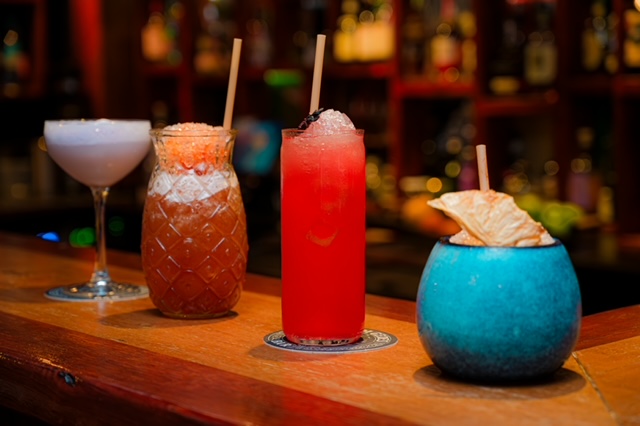
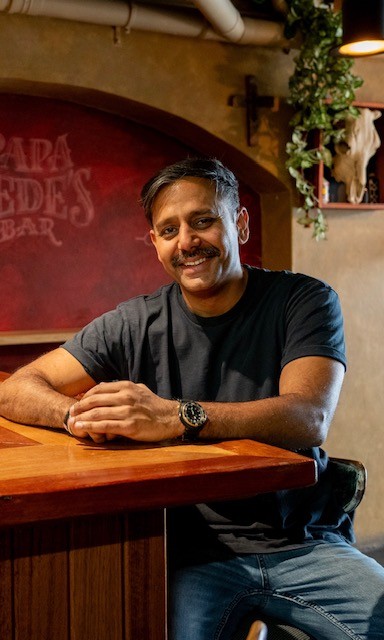
At Papa Gede’s Bar, Michael Dhinse doesn’t build cocktail menus to impress on paper. As owner, handyman and cocktail curator, his approach is practical, deliberate and grounded in how a bar actually runs on a busy night.
For Dhinse, everything starts with identity. Before a single drink is sketched out, the venue’s personality is locked in. “Once you know who the bar is, everything else falls into place – the guest, the flavour direction, and how far you can push things,” he says. Without that clarity, he believes cocktail lists lose focus fast, becoming more about noise than intention.
That thinking carries straight into service. A strong menu, he says, has to work behind the bar, not just look good on Instagram. Clear flavour signals, smart use of overlapping ingredients and drinks that don’t interrupt workflow are non-negotiable.
“If one cocktail disrupts the flow, it doesn’t belong – no matter how good it tastes.”
Creativity, for Dhinse, is something best felt rather than announced. His menus are designed to be readable first, with the technical detail tucked beneath the surface. The goal is for cocktail enthusiasts to recognise the craft, while casual drinkers simply enjoy a great drink without feeling challenged by it.
Classics play a central role in that balance. Rather than reinventing for novelty’s sake, Dhinse uses familiar structures as a benchmark. A twist only earns its place if it improves balance, texture, or drinkability. “If it’s different just to be different, it’s usually not worth the extra complexity,” he says.
That philosophy is clear in drinks like his Pandan Colada – a reworked classic chosen precisely because of its familiarity. “People already know how a Colada should feel,” he explains. “Adding pandan elevates it without losing that emotional connection.” The result is something comforting, playful, and quietly unexpected.
Layered flavour, he adds, doesn’t require long ingredient lists. Instead, it comes from choosing elements that naturally work together and letting technique do the work. Structure and balance matter more than excess.
Behind the scenes, prep and workflow are treated with the same importance as flavour. A drink isn’t finished when it tastes right, Dhinse says, but when it can be made consistently by the entire team on a packed Saturday night. If the prep is fragile or too dependent on one person, the cocktail won’t survive service.
Whether a drink stays on the menu is ultimately decided by the room. Repeat orders, guests asking for drinks by name and staff recommending them are the clearest signals.
The biggest mistake Dhinse sees across the industry is designing menus for ego rather than reality. Overcomplication, unclear descriptions and forgetting the guest all undermine even the most ambitious lists. “The best menus respect the customer, the staff and the business equally,” he says – a rule that quietly underpins every decision behind his bar.