

Once relegated to dusty back bars and faded memories, vermouth has quietly reclaimed its place as one of the most important ingredients in modern bars. Vermouth expert, Claudio Bedini, explores its history.
Words by Claudio Bedini – Curator, L’Ora del Vermouth
On World Vermouth Day, it’s worth pausing to appreciate how this aromatised wine went from medicinal tonic to cocktail cornerstone, fell out of fashion, and then staged one of the drinks world’s most compelling comebacks.
A short, spirited history
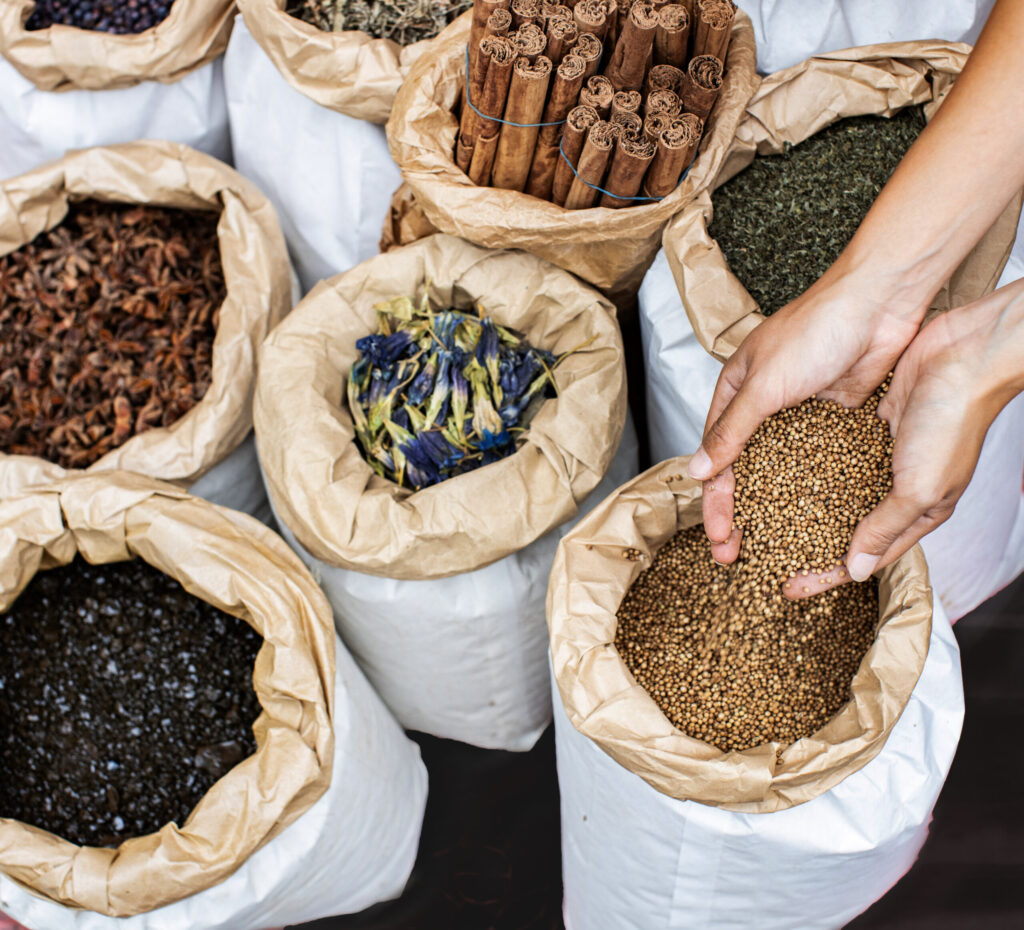
Vermouth’s story begins in Europe. Its name comes from the German wermut, meaning wormwood, a bitter herb already used by the ancient Romans and Greeks for its medicinal purposes. Infusing wine with wormwood and other botanicals blurred the line between medicine and pleasure, evolving into something intentionally crafted.
In 1786, Antonio Benedetto Carpano, then a clerk in a Turin liquor shop, created what we now recognise as modern vermouth: a sweet, aromatised wine made from Moscato and infused with more than 30 herbs and spices. The drink was an immediate sensation, drawing crowds beneath the porticoes of Piazza Castello and quickly embedding vermouth in Turin’s social life.
By the late 19th and early 20th centuries, vermouth was firmly established across Europe, a fixture of cafés, social rituals, and the emerging aperitivo culture.
As large waves of European immigrants spread across the Americas in the late 19th and early 20th centuries, they brought vermouth with them. From Argentina to Brazil, it became part of everyday social life, enjoyed simply, much as it had been back home.
It was in the US, however, that vermouth found something new: a rapidly developing cocktail culture. Bartenders began using vermouth not just as a drink in its own right, but as a tool to soften, balance, and elevate rough spirits.
Out of this environment, the iconic Manhattan was born: a deceptively simple mix of whiskey, sweet vermouth, and bitters. Vermouth wasn’t a background note; it was the backbone, giving structure, depth, and elegance to the drink. The drink helped reshape American drinking culture and the very idea of what a cocktail could be.
The success of the Manhattan sparked the golden age of cocktails in the late 1800s and early 1900s. Bartenders began pairing vermouth with gin, whiskey, and other spirits, giving rise to enduring classics like the Martini and the Negroni. From that point on, vermouth was no longer just an aperitif; it was a cornerstone of modern mixology, shipped from Europe to bars in almost every corner of the world.
How vermouth fell out of fashion
Vermouth’s decline in the mid-to-late 20th century wasn’t caused by a single event, but by a perfect storm of historical and cultural shifts. Two World Wars disrupted European production and trade, while Prohibition in the US severed an entire generation from established drinking traditions. When legal drinking returned, tastes and habits had changed.
Post-war drinking increasingly favoured higher-proof spirits and cleaner, sharper flavours. The rise of the ultra-dry Martini didn’t help either, reducing vermouth to the smallest possible measure or, as Winston Churchill joked, a glance in the direction of France.
Through all of this, vermouth survived largely thanks to brands like Martini & Rossi. Iconic advertising campaigns kept the name front of mind around the world, even as the category itself faded from view. By the late 20th century, vermouth had largely lost its identity, reduced from a defining ingredient to a modifier: familiar, but poorly understood.
The revival: Quality, identity, and Turin
Vermouth’s comeback didn’t happen overnight. It was driven by two forces: the craft cocktail renaissance and a renewed focus on quality at the production level.
On the bar side, pioneers like Dale DeGroff and Dave Wondrich revisited classic recipes, showing that vermouth could be more than a splash in a cocktail: it could shine.
Behind the scenes, Roberto Bava, owner and managing director of Cocchi, was transforming production. At a time when vermouth was often made poorly, he brought producers together, guiding them to agree on shared standards rooted in the original Turin recipes.
This effort not only protected vermouth’s heritage but elevated quality across the board, laying the foundations for what would become the Vermouth di Torino Denomination. Today, producers are once again investing in craftsmanship, rediscovering the balance, depth, and complexity that made vermouth famous.
Bava will be in Australia this May, participating in L’ora del Vermouth, bringing his knowledge and passion directly to bartenders and enthusiasts.
“Today, vermouth is enjoying attention it hasn’t seen in decades. No longer just a supporting player, it’s at the forefront of the low-alcohol movement and increasingly showcased in inventive cocktails.”
Where vermouth is today
Today, vermouth is enjoying attention it hasn’t seen in decades. No longer just a supporting player, it’s at the forefront of the low-alcohol movement and increasingly showcased in inventive cocktails. Producers worldwide are experimenting with local botanicals and wine bases, giving each bottle a sense of place and craft.
Where vermouth Is heading
Looking ahead, vermouth faces both opportunity and challenge. While it thrives in cocktails, its consumption on its own has declined, even in Italy.
Education will be key to sustaining its revival: understanding vermouth’s styles, origins, and proper handling will allow bartenders and consumers to explore its full potential as a low-alcohol drink, an aperitif, and a cornerstone of inventive cocktails.
Expect more vermouth-forward cocktails, inventive pairings, and regional expressions that blur the line between wine and spirits. Vermouth isn’t just making a comeback; it’s redefining its role, proving that a drink once overlooked can continue to surprise, delight, and evolve.
Claudio, the founder of L’Ora del Vermouth, will be holding a series of degustation dinners, The Vermouth Table, where vermouth is the star and guests have a night of rediscovery, stories and delectable pairings. Contact Claudio for more details at cbconsultancy5@gmail.com.
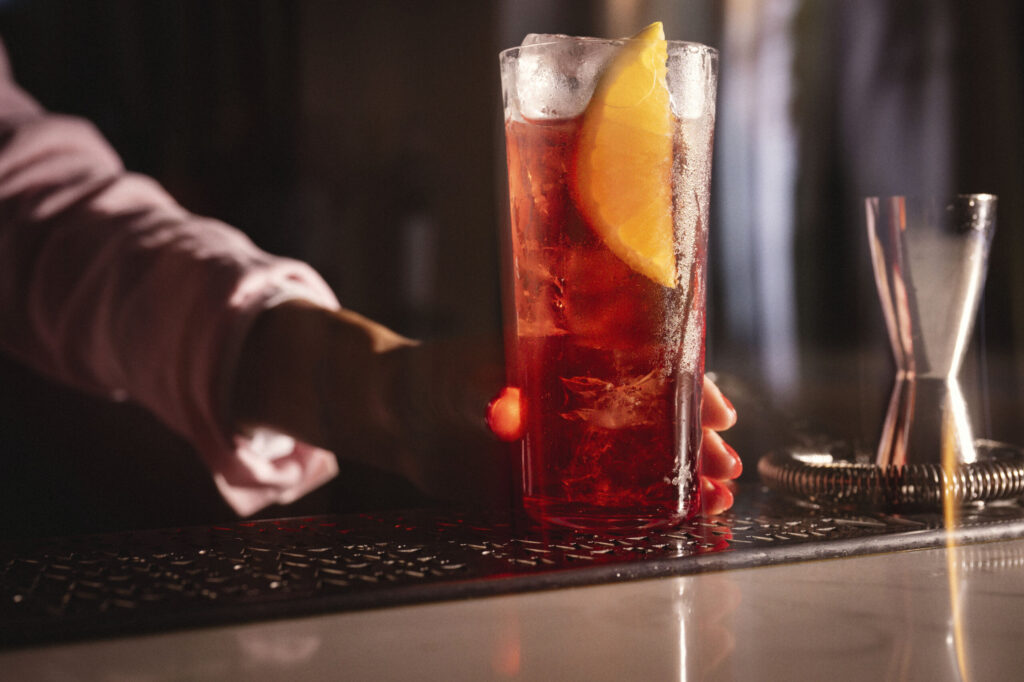
Americano
30ml Campari
30ml sweet vermouth
Splash of soda water
Orange slice and lemon slice for garnish
Chill a Collins glass and prepare garnish
Fill glass with ice and add all the ingredients
Stir briefly, garnish with orange and lemon
Cocchi owner and MD, Roberto Bava, will be in Australia this May for L’ora del Vermouth.