
You’re running one of Sydney’s most rum-focused bars – when did you step into the Bar Manager role and why?
I’ve been at Lobo for just over a year now.
I honestly stepped into the role with a pretty surface-level understanding of rum. Having worked in quite a few specific spirit-focused bars, the opportunity at Lobo felt like a chance to look more closely at a less familiar category and realise just how much there is beneath the surface. We’ve all attended masterclasses and used the familiar bottles in cocktails, but there’s a whole depth to rum that often goes unexplored, and I was keen to jump in.
How do you stop a rum-heavy list from becoming predictable? Where do you draw the line between staying “on brand” and evolving?
That’s something we actively try to be conscious of. Rum often shows up in menus in a predictable way, but we want to make sure that guests know it can be versatile and playful. Our ‘brand’ has always been less about a style or flavour profiles; it’s more about human connection. We’re coming up on our 23rd menu now and across them all there’s no core theme apart from a sense of joy. We do set internal briefs for the team to challenge their knowledge and technique applications, but the overall goal is to make menus that anyone who walks through our doors can enjoy.
What’s a drink on the menu right now that best sums up how you approach flavour and balance?
Probably the Blend 130, a 22nd menu addition. Our brief for the last menu meant we started with pandan, layering an intense herbal profile against sweet desserty flavours, but anchored with the usual citrus backbone that we pull from Caribbean cocktail culture. Using crisp textures like these, and combining them with an aromatic herb oil drizzle made this one of my favourites on this list. We want to make it more than flavour. It’s about the interconnection of textures, the visual appeal, and ensuring every ingredient has its moment.
When does a twist actually improve the drink, and when should you just leave it alone?
We focus on a broad range of both new and old-school rum classics, which allows us to cater to all kinds of drinkers wherever their favourites land on the flavour spectrum. If we do make a twist on a classic, it’s always with the intention of improving balance or enhancing the overall experience, and often it’s the guest’s favourite cocktail that we recreate as a gateway into rum drinking.
You’ve got a back bar that spans multiple rum regions – what are you looking for when you decide a bottle earns its spot?
It’s not often we don’t think a bottle earns a spot on the bar! For the most part we just want to see the dedication to the spirit. Your core distilleries show it from their history and experience, and newer distilleries show it from research and thoughtfulness. Anyone can make a rum, but it takes a lot of dedication to make a great one. A great rum shouldn’t leave you thinking it tastes just like the last, it should have a very distinct identity on that back bar.
From a Bar Manager perspective, is there one that’s harder: building a great menu, or getting a team to execute it perfectly on a slammed Saturday night?
From a bar manager perspective, the goal is to have both. You can build a phenomenal menu, but if your team can’t execute it under the pump is it really a great menu for your space? Menus should speak to your venue, and ultimately what guests want to drink on that slammed Saturday night. We sit in that medium volume range, our guests don’t want to see us fumbling with excessive garnishes or overly complex builds, but they still want deliberate drinks. That balance for us comes from prep, putting in that work before service even starts to get those drinks in hands quicker.

What’s the most common mistake you see bartenders make when working with rum?
Not letting it shine in cocktails! Rum is so diverse, and a lot of bartenders treat it with blanket ideologies, like white spirits are bright and fresh and dark spirits are heavy and rich. The category doesn’t have universal appellation regulations, and without those limitations the textures, flavours and techniques are endless. Not considering that individual bottle’s character will always hinder the delivery of a great rum cocktail.
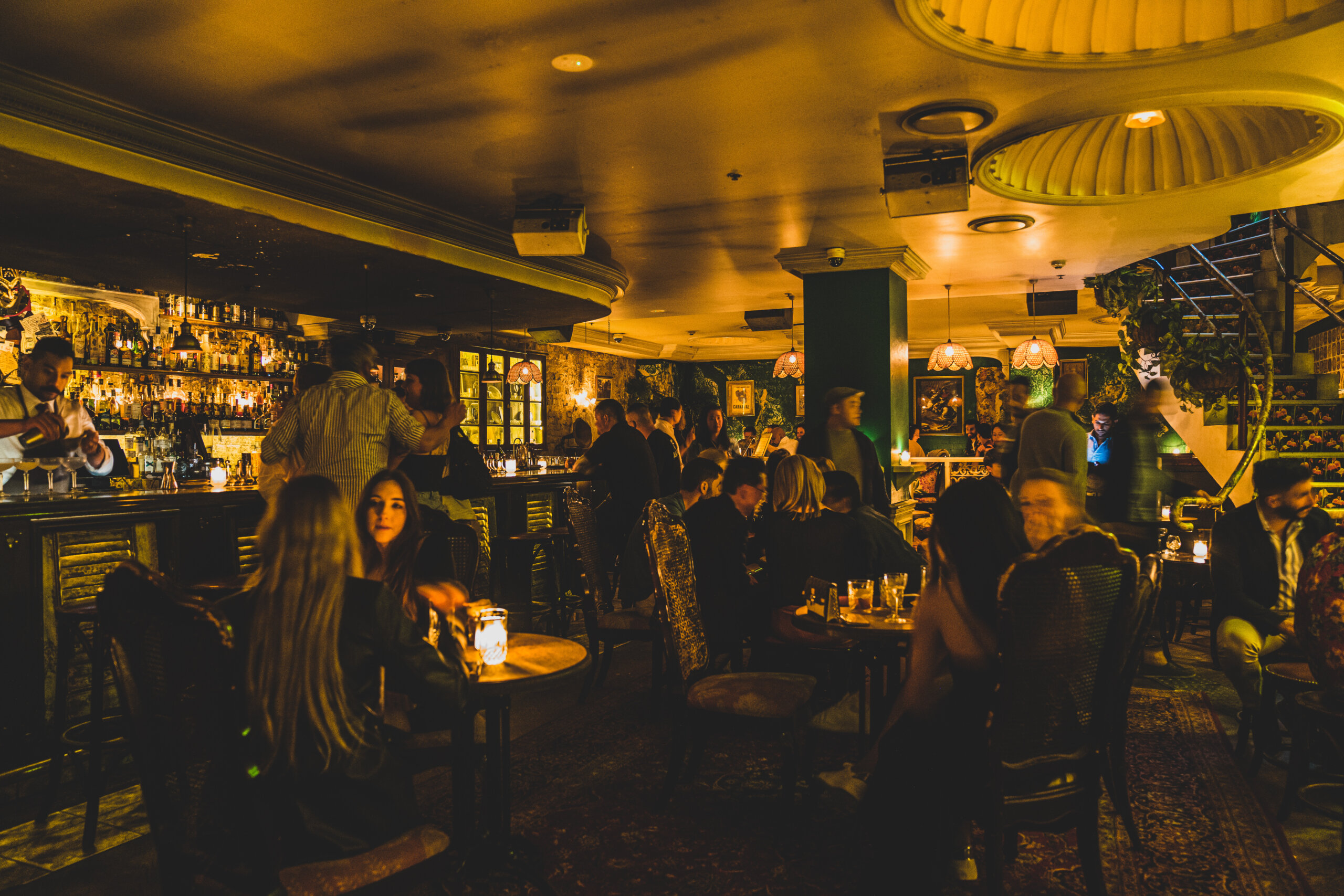
The Lobo has that hidden, late-night feel – how much of your job is about managing energy and atmosphere, not just drinks?
If you’re manager on duty, it’s constant. Every single minute you need to be aware of the lighting, sound, and energy and what the crowd needs. As a general rule these things need to be a priority for anyone running shifts. The crowd might not be able to pinpoint that the lights are slightly too bright, or the music is slightly too quiet, but they’ll feel it when they walk in and that subconscious read decides whether they stay or go.
How do you train staff to sell confidently without turning the bar into a lecture on rum?
It’s less about selling the bottle and more about reading your guest and their needs. Some are just keen to try the specialty of the bar they’ve stumbled across, and some already have a world of experience. The novice won’t know or really even care about how old the still is, but your expert will. It’s picking up on what will resonate with them. The team will be equipped for both, they’ll have the fun, unexpected details but also the technical in-depth knowledge to be able to cater to each person in a personal way.
What’s one operational headache people wouldn’t expect from running a bar like this?
Deliveries!! You’d think our delivery instructions were written by the Riddler. A basement bar is fun – the loading dock instructions are not.
What would you change about Sydney’s bar scene right now if you could?
I’d love to see more opportunities for greener bartenders, as well as training programs freshened up for the new generation. While we’ve made some good progress from the more cutthroat cowboy times, there is still a lot to learn about how to educate and mentor rookies to become career professionals. There is a huge mentoring gap in the industry at the moment, with a lot of the old guard moving onto new ventures. The young guns of management now definitely need acquaint themselves with how to build these relationships and foster our new bartenders’ capabilities and confidence.
And what advice do you have to give someone looking to progress into a management role?
Humility is the first step to learning. Be a sponge and absorb everything you can – if you surround yourself with the right people, you’ll never be short on knowledge.
You work for the venue, but the venue should also work for you. Finding people who are invested in your growth and willing to put in the time is key. The volatility of the industry at the moment has created so much pressure and priorities might be elsewhere, but good venues know that it’s their people that drive success.