
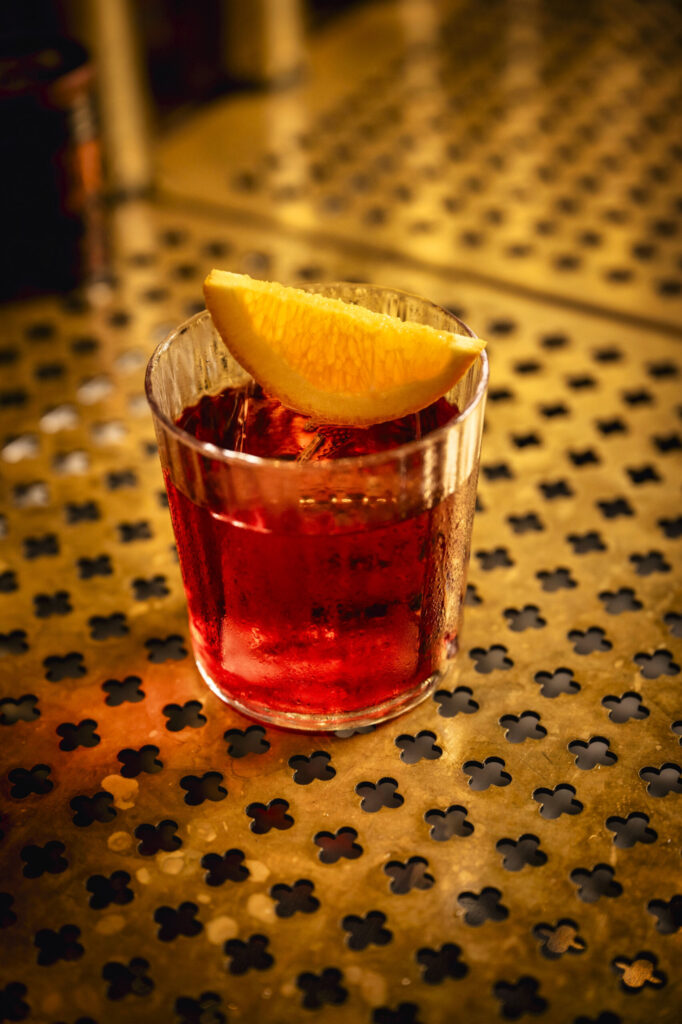
Claudio Bedini continues his series exploring the world of bitter spirits.
Bitterness is rarely the first flavour we fall in love with. It’s something the palate learns over time, an acquired taste that reveals its depth slowly. Yet behind that sharp edge lies a long story… one that runs through the history of drinks, from old remedies to the drinks we share today.
Long before it found its place in a glass, bitterness lived in plants.
Roots, barks, herbs and peels were gathered, dried and infused for their medicinal properties. Botanists, physicians and apothecaries studied these ingredients, observing how they stimulate appetite, aid digestion and restore balance to the body.
As time passed, those same infusions slowly moved from remedy to ritual.
What began as medicine gradually found its way into everyday life, poured before meals to awaken the appetite, or afterwards to help settle the stomach.
Bitterness, once prescribed, became something people came to appreciate and share.
This column is an invitation to explore that world.
Through Bitter Tales we’ll look at the many forms bitterness takes: bitters, aperitifs, amari and the countless regional expressions that sit between them. We’ll explore how these products are made: from the botanicals that shape their character to the traditions that define their style.
We’ll also take time to tell the stories behind them: the producers, the places, the history and the small details that make each category distinct.
Because bitterness is not just a flavour. It belongs to those moments around the table: the drink before a meal, the glass that lingers afterwards, drawing people together in conversation.
Behind these bottles lies a craft built on plants, knowledge and tradition. Understanding where that bitterness comes from, and how it’s shaped, opens the door to a much richer world of flavour.