
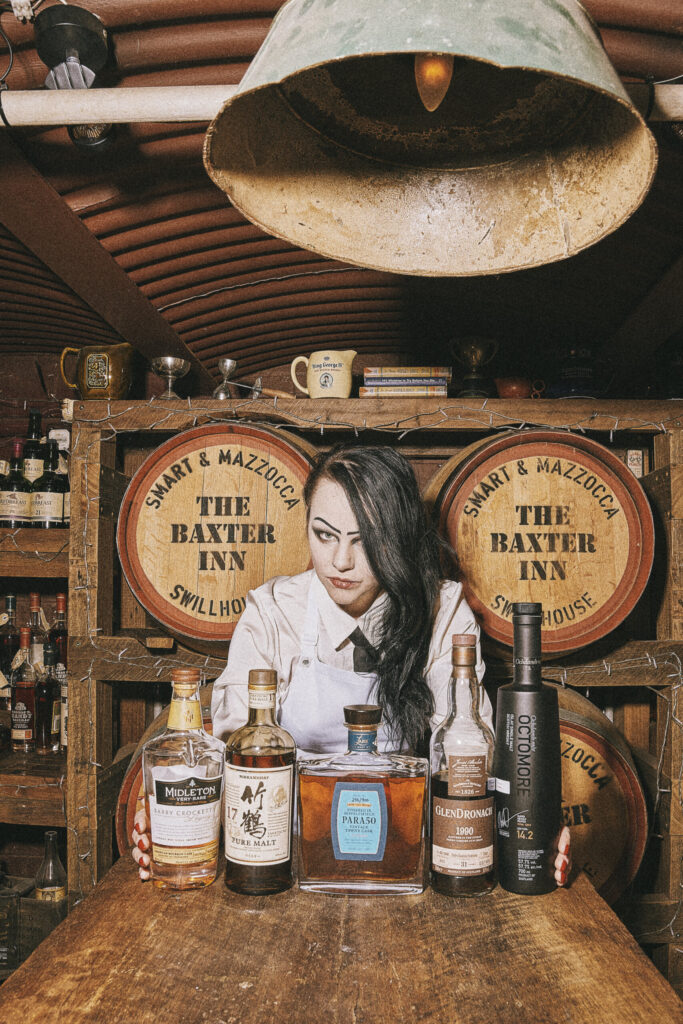
Some may say whisky is a man’s game, but Baxter Inn’s London Purvis is here to set the record straight. Women have been at the heart of whisky making since its inception.
Words by London Purvis
Photography by Ethan Smart
A man walks into a bar. The bartender – let’s think of her as an edgy young woman – asks him how she can help.
“Oh, it’s alright, I wanted to talk to someone about whisky. Do you think he can help me?” the man says with a condescending smile.
It’s not the setup to a bad joke; simply the reality that me and countless other women in the whisky industry, have to grin and bear almost every day.
I have had the pleasure of working in this big, brilliant, exciting industry for years now, and frequently get asked the same handful of questions: Have I ever tried whisky myself? How does a young woman like you learn so much about whisky? On one occasion, I was even told it must be hard for me to work in a whisky bar when I “don’t drink whisky myself”. (Anyone who has met me knows just how untrue that assumption is.)
These questions all circle back to one large, overarching theme; that whisky is a man’s game. And how can we really even blame people for making that connection? Pop culture and marketing have painted whisky as a cornerstone in masculinity. That it belongs to the likes of wealthy gentlemen in leather armchairs with cigars.
What bothers me so much about the whole idea of whisky being made by men, for men, isn’t so much the exclusivity of it; it’s that it is simply not true.
From the very beginning
Women and whisky isn’t some new, groundbreaking concept; they have gone hand in hand since before some of the earliest distilleries were licensed. For as long as the whisky industry has existed, women have been there to drive it forward with determination.
Take Littlemill in Scotland, the first distillery to get an official license. Though the doors to this iconic Lowland site are long shut, and the site burned down over 20 years ago, it’s a favourite among whisky collectors.
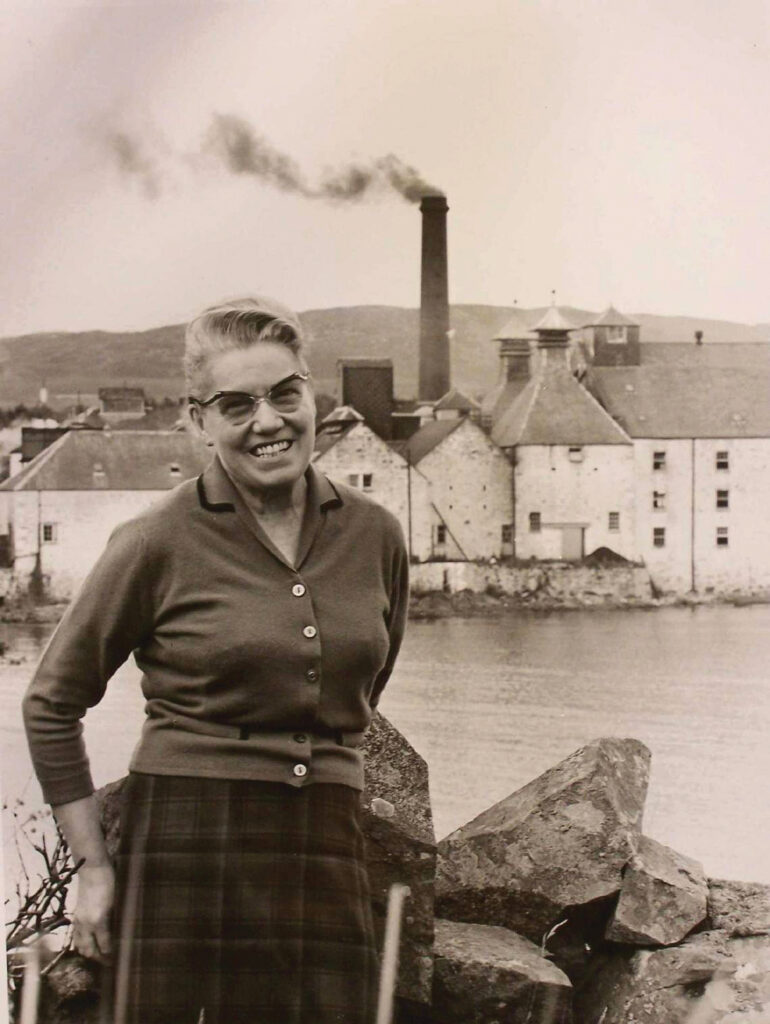
Its iconic foundations were laid by Jane MacGregor, who took the reins in 1823 after her husband passed away and just shortly after the excise act came into effect. In an era when women were often not even allowed to “work”, MacGregor became the first female licensee in the world.
Her shrewd eye for business doubled production, not just putting a once-modest distillery on the map but also aiding a boom in whisky production throughout the Lowlands region.
To put this into perspective – this was over 200 years ago. The UK suffragette movement didn’t take off until the beginning of the 20th century, so women were running distilleries before we even had the legal right to vote.
Another legendary figure was Bessie Williamson. In 1934, she started work at Laphroaig as a temporary secretary, but was quickly recognised by the owners for her drive and determination.
She climbed the ranks quickly and by 1938 was running the entire operation, creating trade deals with America. It was under Bessie’s hand that Laphroaig avoided total closure during World War 2.
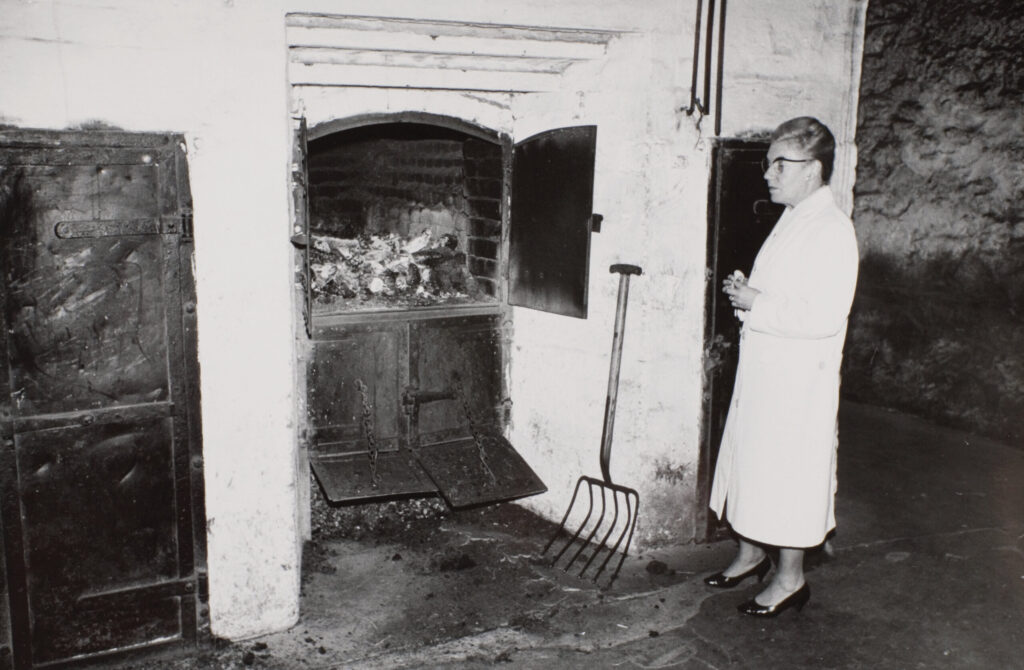
Here’s where it gets really interesting; Williamson was also largely responsible for the single malt whisky movement. She saw the decline in sales for blended whisky, a lack of demand for new barrels, and that brands were evolving.
To ensure Laphroaig stayed ahead of the times, she positioned it to be sold as a single malt to the American market where a lot of industry trends were set. She popularised Laphroaig’s distinct, heavily peated flavour.
So when people make the common assumption that a woman’s “delicate palate” can’t handle a smoky scotch, I say, “Tell that to Bessie Williamson”.
The modern era
Today, whisky is still constantly evolving and is in very capable hands. Since 2021, Johnnie Walker, the highest selling Scottish whisky in the world, has been under the care of Dr Emma Walker, the brand’s first female master blender in history. Her PHD in organic chemistry gives her a perfect grasp on just what will work, and she’s already left her own stamp on a household name.
Another giant brand, Macallan, may have cultivated a “masculine persona” associated with luxury cars and James Bond, but it’s Kirsteen Campbell, the brand’s first female master distiller, who has been steering the ship since 2019.
A lifelong passion for whisky plus a degree in nutrition and food science have led her to create new and innovative ideas for Macallan – such as Their Harmony Series – along with bottling some of its oldest releases to date.
There are countless other women to name, from those who shaped whisky in the past to those working on its future.
Dr Rachel Barrie, affectionately known as the First Lady of Whisky, was the first female master blender in Scotland. Her devotion to the craft has left its mark on countless whisky brands.
In Ireland, Helen Mullholland was partially responsible for discovering a new kind of malt during her tenure at Bushmills.
I could happily spend all day talking about one woman in whisky after another, and I wouldn’t come close to covering them all.
When someone tells me whisky is a man’s game, I simply laugh, because it never has been. Women are firmly part of the past, present and future of the whisky industry. So raise a glass, ladies, we’ve earned it.