
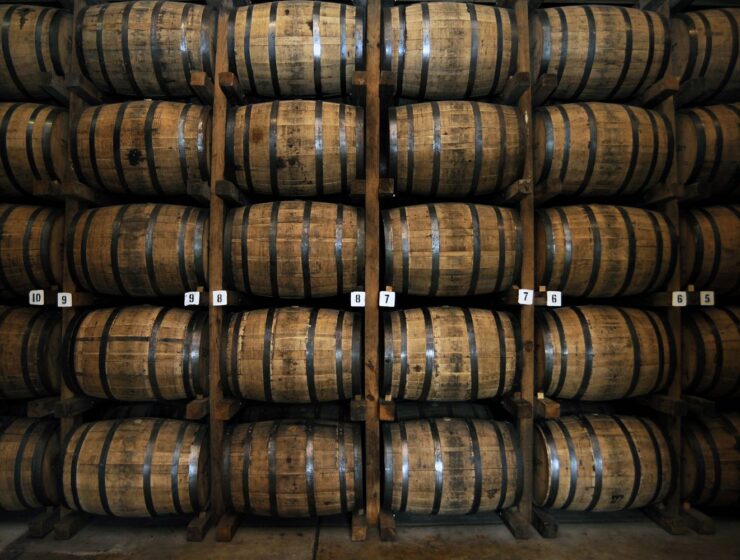
Bourbon making differs from, say, Scotch whisky making, in a few ways: first, 51 per cent of the grains used must be corn; the remainder is often made up of rye, malted barley and wheat.
Explainer
Bon vivant and writer Samuel Pepys wrote in his diary in 1663 about being advised to take “some strong water made of juniper” to cure, well, constipation.
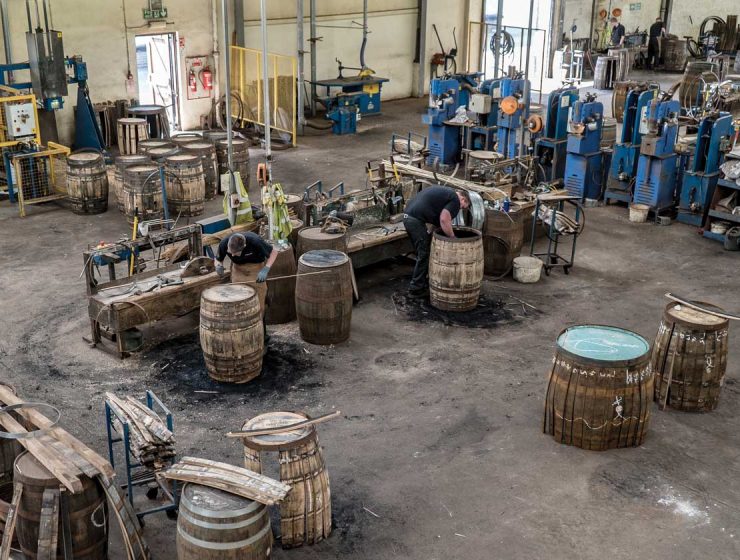
In all the time that humans have been distilling spirits, throughout all the research and experimentation and innovation, one aspect of production remains the same: the maturation of spirits in oak barrels. Here’s why.
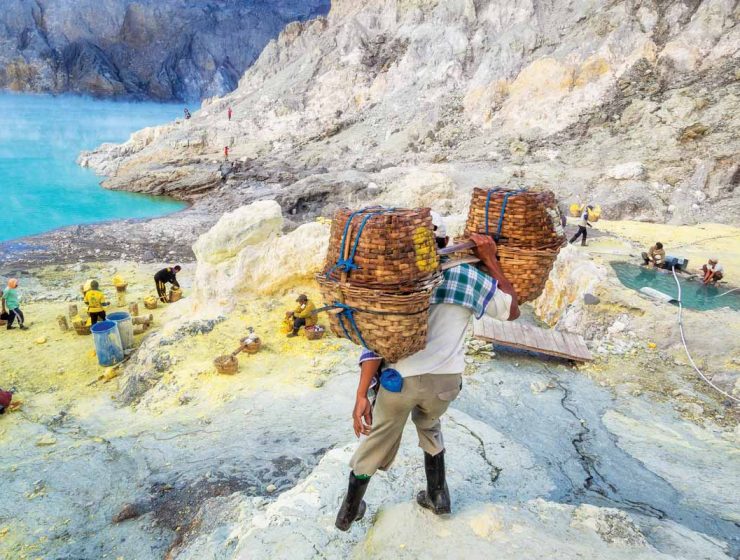
What is is that preservatives do? Put simply, they prevent food and drink from turning…
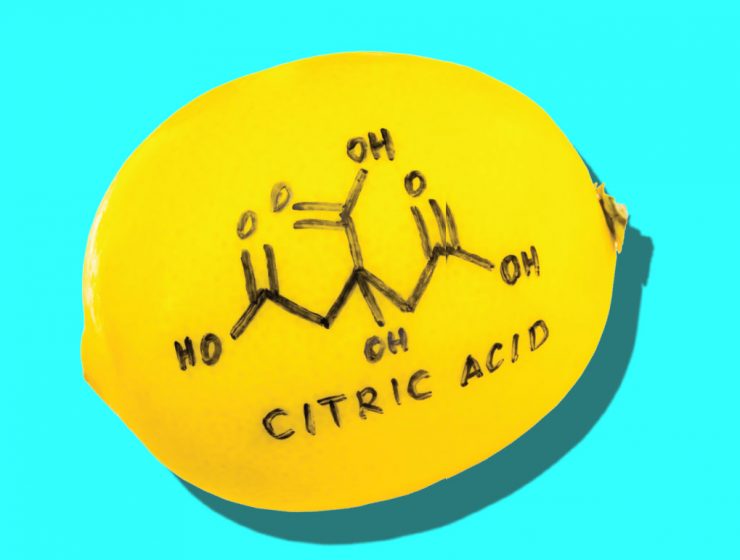
Bartenders across the globe are dropping acid in drinks, as a way to manipulate other ingredient liquids; this is known as ‘acid adjusting’ or acidulating.
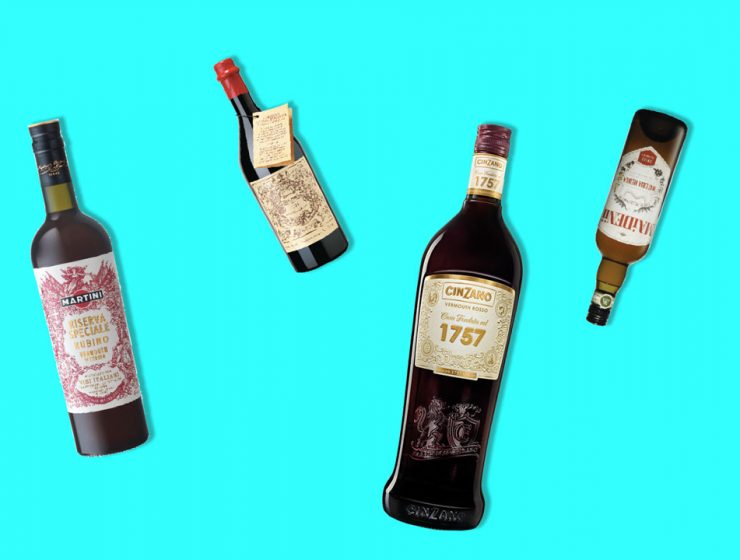
Just what is vermouth?
Vermouth is a aromatised wine, which is to say that it’s a wine that has had a bunch of botanicals thrown at it to flavour it, and a
little spirit to jack up the alcoholic strength of the wine (which helps to preserve it).
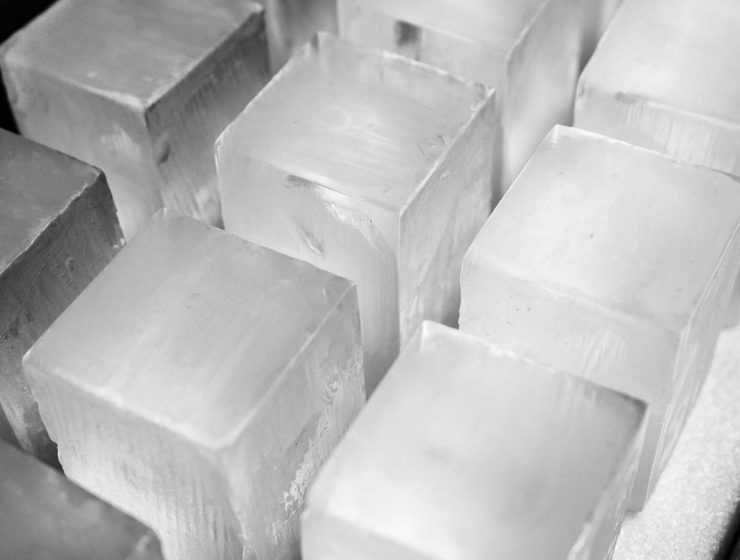
Ice. It’s something that is so commonplace that it is easy to overlook its importance.
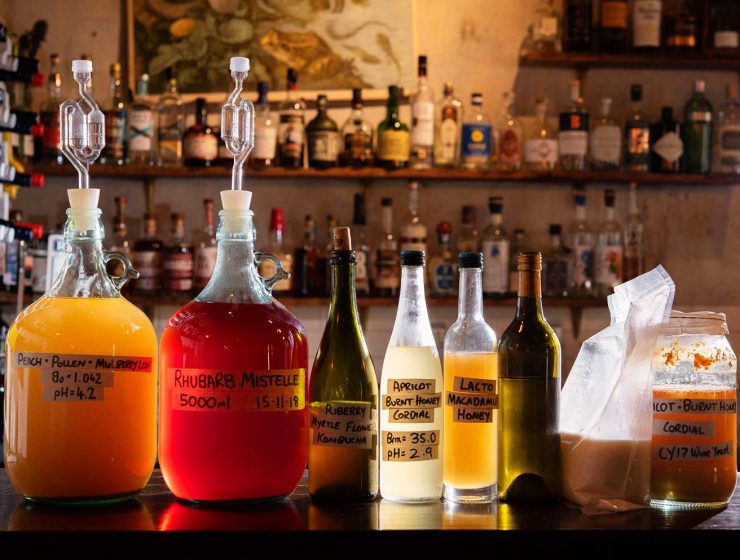
Here we hear from Evan Stroeve, the bar manager at the much-lauded Bulletin Place in Sydney, and find out how to get started with ferments in the bar.
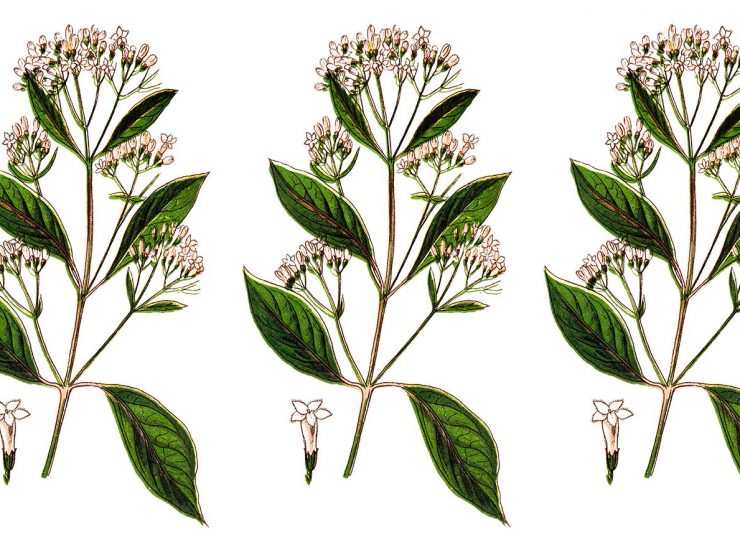
Tonic water is a sparkling beverage containing quinine, sugar, and water, along with other flavouring…
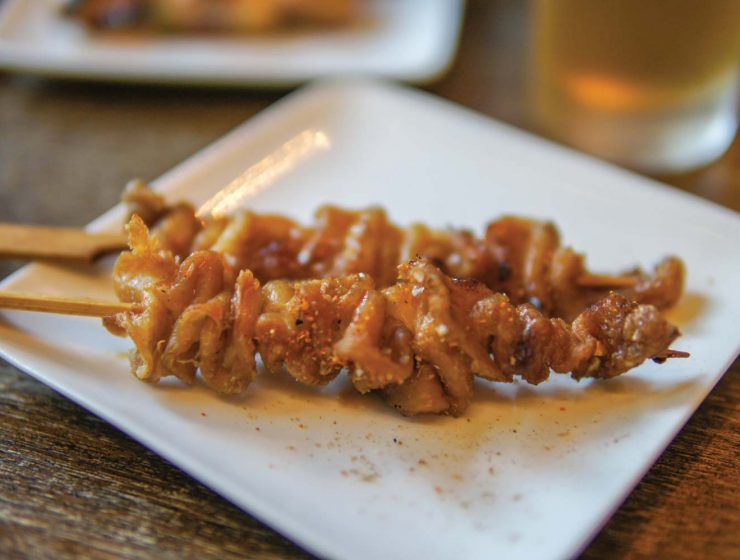
As bartenders and lovers of all things booze, there’s the odd occasion where we let…
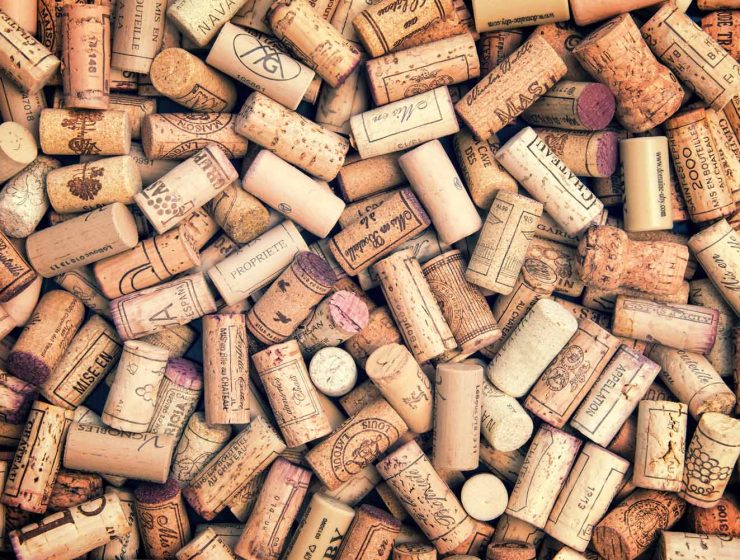
Did you ever nose a glass of wine, and something didn’t smell quite right? Were you unsure whether the wine was corked or not? Let’s take a look at some of the more common wine faults you’re likely to find.

Cider seems to get bigger each year, and there’s more cider brands available for your bar than ever before. But how much do you really know about cider, and the apples from which they come?